
- 14/08/2025 13:01:42
- Viewed: 120
Herpes, beyond skin manifestations, potentially impacts neurological and psychological health, with HHV-6 linked to mood disorders. The virus infects neurons, triggering neuroinflammation and disrupting brain function, influencing cognition and emotional regulation. Understanding this broader impact is crucial for developing comprehensive treatment strategies and improving the quality of life for affected individuals.

- 14/08/2025 13:01:42
- Viewed: 114
Worried about a lump? Cancerous lumps often feel hard with uneven edges. They usually stay fixed under the skin and are often painless. Rapid growth and unexplained weight loss are warning signs. Lumps can appear in the breast, neck, or groin. See a doctor for any hard, fixed, or growing lump. Early diagnosis is key for better treatment outcomes.

- 14/08/2025 13:01:42
- Viewed: 114
Enhance your fitness journey with natural supplements like creatine for strength and betaine for endurance. Carnitine aids energy and recovery, while BCAAs prevent muscle breakdown. Whey protein, rich in essential amino acids, supports muscle repair and growth. These supplements, backed by research, boost performance when combined with consistent training and proper nutrition, offering an extra edge to your fitness progress.

- 13/08/2025 03:01:32
- Viewed: 100
A study links daily consumption of artificially sweetened beverages to a nearly threefold increased risk of ischemic stroke and Alzheimer's dementia. Tracking over 2,800 adults for a decade, the research highlights a strong association, though not causation, between diet soda intake and serious neurological conditions. Experts recommend moderation and prioritizing water to mitigate potential long-term health implications.

- 13/08/2025 03:01:32
- Viewed: 106
Ginger tea is popular for its health benefits. But daily consumption can cause side effects. Excess intake may lead to heartburn or stomach upset. Ginger's blood-thinning properties need consideration. It can lower blood sugar levels, requiring monitoring for diabetics. Allergic reactions are possible in some individuals. Ginger tea can interact with medications. Moderation is key to enjoying its benefits safely.
- 13/08/2025 03:01:32
- Viewed: 119
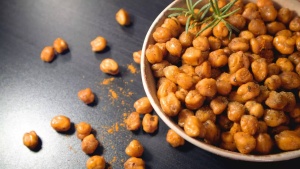
Chickpeas, though celebrated for their health benefits like improved digestion and heart health, may pose risks for some. Allergic reactions, gastrointestinal issues due to FODMAPs, and medication interactions are potential concerns. High potassium levels in canned chickpeas can affect those on beta-blockers. Purines may trigger gout, while oxalates might contribute to kidney stones.

- 13/08/2025 03:01:32
- Viewed: 172
Cancer is a leading cause of death globally, with a significant portion of cases being preventable. Key risk factors include tobacco use, alcohol consumption, lack of physical activity, and poor diet. Avoiding tobacco and alcohol, incorporating regular exercise, and adopting a balanced diet rich in whole foods can significantly reduce cancer risk.

- 13/08/2025 03:01:32
- Viewed: 117
Buttermilk, a popular digestive aid, may have unexpected downsides with daily consumption. While offering probiotics and nutrients, it can trigger digestive issues for lactose-intolerant individuals. High sodium levels in commercial varieties may elevate blood pressure. Allergic reactions, medication interference, and potential migraine triggers are also concerns. Moderation and awareness of individual sensitivities are crucial for safe enjoyment.
- 18/07/2025 03:05:53
- Viewed: 0
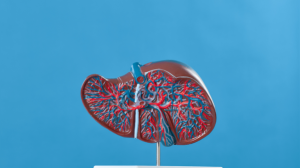
The liver has an incredible capacity to heal—but only when the environment allows it. Fatty liver disease, whether Grade 1 or 2, is a reminder. A reminder to pause, reassess daily choices, and honour the body’s limits.

- 10/07/2025 03:51:07
- Viewed: 279
A recent study by Bar-Ilan University reveals that staying hydrated significantly lowers the risk of hypertension and heart failure. Analyzing data from over 400,000 adults, researchers found that sodium levels within the high-normal range are linked to increased cardiovascular risks. Lead author Prof. Jonathan Rabinowitz emphasizes hydration as a crucial, often overlooked, factor in preventing chronic diseases.



 Jamie Overton takes indefinite break from red-ball cricket
 Perrin ton powers Northern Superchargers into the final
 Ashwin in talks with ILT20, may register for auction
 Ankit Sharma obtains NoC from Puducherry
 Salahuddin rules out experimentation in second T20I
 'Still a long way to go' - Taskin encouraged by steps towards rediscovering rhythm
 Pat Cummins faces back injury concerns ahead of Ashes 2025-26
 Nissanka ton leads SL's series sweep
 Phil Salt Cleared: Bat Size Probe Finds No Breach of Regulations
 MCC Rules Akash Deep's Root Dismissal Legal Amid No-Ball Debate